How to Apologize to Your Kids After You Yell (Without Losing Authority)
How to Apologize to Your Kids After You Yell (Without Losing Authority)
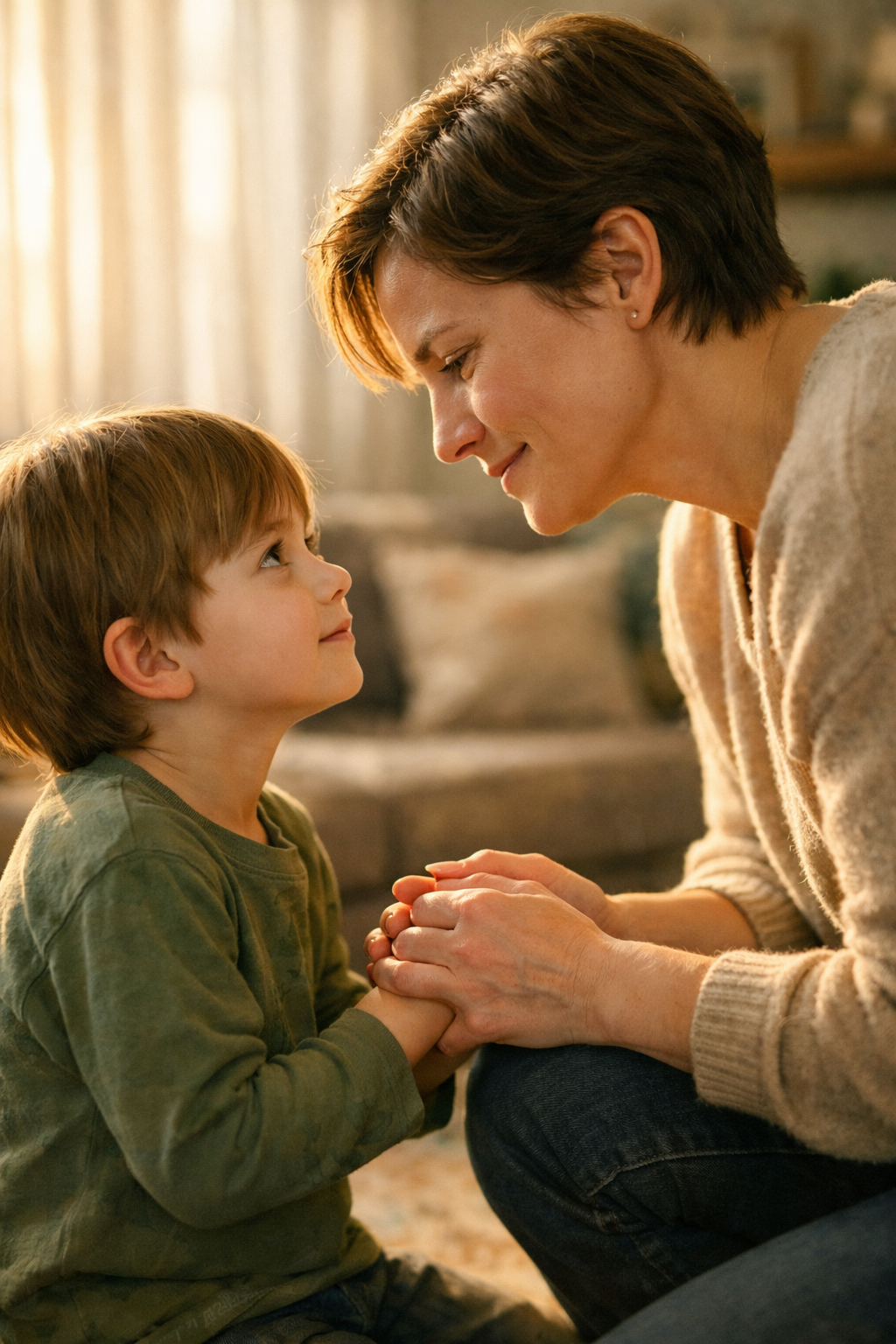
Every parent has been there. The morning routine spirals out of control, someone spills cereal for the third time, homework hasn't been done, and before you know it, you've raised your voice in a way that leaves everyone — including you — feeling terrible. The guilt settles in quickly, and you're left wondering how to apologize to your kids after yelling without undermining your role as a parent.
Here's the good news: apologizing to your children doesn't make you weak. In fact, it's one of the most powerful things you can do as a parent. A genuine apology models emotional intelligence, teaches accountability, and actually strengthens your authority rather than diminishing it. Let's explore exactly how to do it well.
Why Apologizing to Your Kids Matters
Many parents grew up in households where adults never apologized to children. The belief was that saying sorry would erode respect and authority. Modern research tells us the opposite is true. Children who receive genuine apologies from their parents develop stronger emotional regulation skills, higher self-esteem, and deeper trust in their caregivers.
When you learn how to apologize to your kids after yelling, you're teaching them that:
- Everyone makes mistakes, even adults
- Taking responsibility is a sign of strength, not weakness
- Relationships can be repaired after conflict
- Their feelings and emotional safety matter
- Healthy communication includes accountability
Far from losing authority, a parent who apologizes appropriately demonstrates the exact kind of emotional maturity they want their children to develop.
Step 1: Calm Yourself Down First
Before you approach your child with an apology, take a moment to regulate your own emotions. An apology delivered while you're still frustrated or agitated can come across as insincere or even turn into another tense moment.
Give yourself five to ten minutes. Take deep breaths, splash cold water on your face, step outside for fresh air, or simply sit quietly. The goal isn't to rehearse a perfect speech — it's to ground yourself so you can be fully present and genuine when you talk to your child.
Step 2: Get on Their Level
Physical positioning matters, especially with younger children. Kneel down, sit beside them on the floor, or join them on the couch. Making eye contact at their level communicates respect and signals that this is an important conversation between two people who matter equally.
For teenagers, this might look different. Sitting next to them rather than standing over them, or choosing a neutral space like the kitchen table, can help the conversation feel less like a lecture and more like a genuine exchange.
Step 3: Name What You Did Wrong
Be Specific and Own It
A vague "I'm sorry about earlier" doesn't carry the same weight as a specific acknowledgment. Try something like: "I'm sorry I yelled at you when you were getting ready for school this morning. That wasn't okay, and you didn't deserve to be spoken to that way."
Naming the specific behaviour shows your child that you've genuinely reflected on what happened. It also helps them understand that the yelling was the problem — not them.
Avoid the "But" Trap
One of the biggest mistakes parents make when learning how to apologize to your kids after yelling is adding a justification. "I'm sorry I yelled, but you weren't listening" essentially cancels out the apology. It shifts blame back to the child and tells them that your behaviour was their fault.
Keep the apology clean. You can address the behaviour that triggered your frustration separately, after the apology has landed.
Step 4: Validate Their Feelings
After you've named what you did, acknowledge how it may have made them feel. "I imagine that felt scary" or "I think that might have hurt your feelings" gives your child permission to have their emotional response without shame.
If they tell you how they felt, listen without defending yourself. A simple "Thank you for telling me that" or "I hear you, and I'm sorry" goes a long way in rebuilding trust.
Step 5: Explain (Briefly) Without Excusing
Children benefit from understanding that parents are human beings with emotions too. A brief explanation — not an excuse — can help them make sense of what happened. "I was feeling very overwhelmed and stressed, and I handled it poorly" is honest without being burdensome.
Keep it age-appropriate. Young children need simple explanations. Teenagers can handle more nuance. But regardless of age, the message should always be clear: your feelings were valid, but your behaviour was not their responsibility.
Step 6: Share What You'll Do Differently
This is where authority and accountability work together beautifully. Telling your child what you plan to do differently next time shows leadership and models problem-solving. It might sound like:
- "Next time I feel that frustrated, I'm going to take a few deep breaths before I respond."
- "I'm going to try walking away for a minute when I feel overwhelmed instead of raising my voice."
- "I'm working on being more patient, and I want you to know that's important to me."
This doesn't mean you promise perfection. It means you're committed to growth — which is exactly what you ask of your children every day.
Step 7: Reconnect Through Action
Words matter, but follow-through matters more. After your apology, find a way to reconnect. This could be a hug, reading a book together, playing a game, going for a walk, or simply spending quiet time in the same space.
Reconnection tells your child that the relationship is secure. It reinforces that conflict doesn't mean disconnection, and that love remains constant even when moments get difficult.
Maintaining Authority While Being Vulnerable
Here's the key distinction many parents miss: apologizing for how you communicated is not the same as apologizing for having expectations or boundaries. You can be sorry for yelling while still maintaining the rule or expectation that triggered the conflict.
After the apology has settled, it's perfectly appropriate to revisit the situation calmly: "I shouldn't have yelled, and I'm sorry. I still need you to do your homework before screen time. Can we figure out a plan together?"
This approach actually strengthens your authority because it demonstrates that your boundaries are consistent and fair, while your communication methods are something you're willing to improve. Children respect parents who hold standards for themselves, not just for their kids.
What If You Yell Again?
You will. Not because you're a bad parent, but because you're human. The goal isn't perfection — it's progress. Each time you apologize and try again, you're building a pattern of repair that your child will carry into their own relationships for the rest of their life.
If you find yourself yelling frequently and struggling to stop, consider whether there are underlying stressors that need attention. Lack of sleep, burnout, unresolved personal issues, or unrealistic expectations can all contribute to a shorter fuse. Seeking support from a therapist, parenting group, or trusted friend isn't weakness — it's wisdom.
Conclusion
Learning how to apologize to your kids after yelling is one of the most transformative skills you can develop as a parent. It doesn't require perfect words or ideal timing. It requires honesty, humility, and the willingness to show your children that love and accountability can exist in the same breath.
When you apologize well, you don't lose authority — you earn something far more valuable: your child's genuine respect and trust. You teach them that relationships can weather storms, that mistakes don't define us, and that being brave enough to say "I'm sorry" is one of the strongest things a person can do. That's a lesson that will serve them for a lifetime.